
 Send Inquiry
 Send SMS
 Call Me Free
 Send Inquiry
UPVC Union
Price 32 INR/ Piece
UPVC Union Specification
- Tolerance
- Close dimensional tolerance for leak-proof joint
- End Protector
- Threaded ends for protection and easy installation
- Application
- Plumbing, irrigation systems, water supply lines, and industrial piping
- Product Type
- UPVC Union
- Type
- Plain (Socket) / Threaded
- Shape
- Round / Cylindrical
- Connection
- Union type (detachable joint)
- Standard
- ISO / ASTM / DIN standards compatible
- Diameter
- Available from 20mm to 110mm
- Thickness
- Varies with pressure class and size (typically SDR 11, 13.5, 21, 26)
- Length
- Standard fitting length
- Color
- White
- Usage
- Suitable for potable water and chemical lines
- Working Pressure
- Up to 16 bar
- Reusability
- Reusable after disassembly
- Temperature Range
- 0C to 60C
- Surface Finish
- Smooth, glossy finish
- Chemical Resistance
- Resistant to most acids, alkalis and salts
- Leak Proof
- Yes, designed for leak-proof joints
- Corrosion Resistance
- Excellent
- Material
- Unplasticized Polyvinyl Chloride (UPVC)
- Installation
- Easy installation, no welding required
UPVC Union Trade Information
- Minimum Order Quantity
- 1000 Pieces
- Supply Ability
- 1000 Pieces Per Month
- Delivery Time
- 7 Days
UPVC Union About
With the assistance of our experienced and proficient manpower, we are offering high quality of UPVC Union. The entire range of unions is manufactured by our skilled manpower using quality approved UPVC materials as per ASTM D-2467 (SCH-80) quality standards. The unions are offered in various sizes and diameters to match with the application requirements of our clients. UPVC Union is used in the pipelines of chemical, petrochemical, irrigation, oil and gas industries.
Features:
-
Smooth finish
-
Sturdy & crack resistant structure
-
Leak resistant
Specification
| Color | Multi colour |
| Size | 1/2 inch, 1'' To 2'' Inch,2 inch,1 inch ,3/4 inch |
| Application | Structure Pipe,Drinking Water Pipe,Gas Pipe,Chemical Handling Pipe,Plumbing Pipe |
| Brand | AQUACHEM |
| Packing Type | Standard |
| Item Code | Nominal Size | Size in Incd | Bag Packing |
| 261 | 15 mm | 200-Nos | |
| 262 | 20 mm | 120-Nos | |
| 263 | 25 mm | 1 | 90-Nos |
| 264 | 32 mm | 1 | 60-Nos |
| 265 | 40 mm | 1 | 40-Nos |
| 266 | 50 mm | 2 | 27-Nos |
Superior Chemical Resistance
The UPVC Union offers excellent resistance to a wide array of chemicals and remains non-corrosive, making it particularly suitable for both potable water and industrial fluid systems. Its smooth, non-reactive surface ensures minimal buildup and supports long-term, trouble-free operation across diverse environments.
Versatile Applications Across Sectors
Engineered for adaptability, UPVC Unions can be utilized in plumbing, irrigation, water supply lines, agricultural processes, and industrial piping. Their union connection type allows for quick disconnection and maintenance, optimizing performance for end-users in sectors such as waterworks, chemical processing, and crop management.
Dependable Durability and UV Stability
Manufactured to withstand impact and environmental exposure, these unions are UV stabilized for outdoor or high-light settings. Their sturdy construction ensures they remain functional and intact even under demanding physical or chemical conditions, reducing replacement frequency and maintenance costs.
FAQ's of UPVC Union:
Q: How is a UPVC Union installed in a piping system?
A: A UPVC Union can be installed using either solvent cement jointing or by threading, depending on the type selected. For solvent cement joints, surfaces are cleaned and adhesive is applied for a secure bond. Threaded unions are simply screwed into place, making installation and future disconnection quick and convenient.Q: What makes the UPVC Union suitable for potable water, agricultural, and industrial use?
A: The UPVC Union's resistance to chemicals and corrosion, combined with its smooth, non-reactive internal surface, ensures no contamination and maintains water quality. Its robust design, high-pressure tolerance, and range of sizes also enable reliable function across various applications including potable water, agriculture, and industrial systems.Q: When should I choose a PN10 or PN16 pressure rating for UPVC Unions?
A: Select the pressure rating based on your system's operational pressure requirements and standards-PN10 for systems with pressures up to 10 bar and PN16 for pressures up to 16 bar. Check your application and local standards to determine the appropriate rating for safety and optimal performance.Q: Where should UPVC Unions be used within a pipeline?
A: UPVC Unions are ideally installed at points where disconnection or maintenance is necessary, such as near valves, pumps, or equipment connections. Their detachable design allows for easy repairs or replacement without dismantling long sections of pipe.Q: What is the process for ensuring a leak-proof joint with UPVC Unions?
A: For leak-proof connections, ensure dimensions are within tolerance and follow proper jointing procedures: clean mating surfaces, use recommended solvent cement or threading techniques, and allow adequate curing time before pressurizing the system.Q: How does the UPVC Union benefit long-term piping system maintenance?
A: The union type fitting enables easy disassembly, making routine maintenance, inspection, or replacement straightforward. Its durable construction and resistance to UV and chemicals further minimize the frequency and extent of repairs over its service life.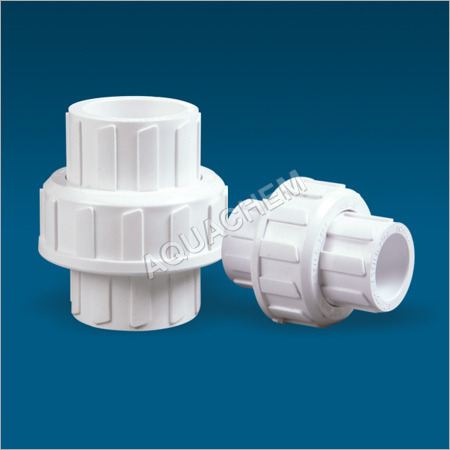

Price:
- 50
- 100
- 200
- 250
- 500
- 1000+

More Products in UPVC Fittings Category
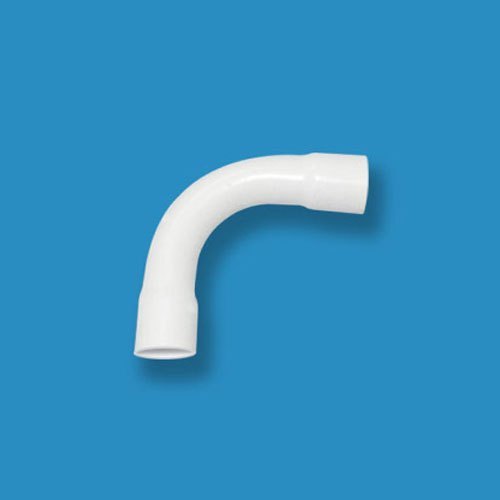
UPVC Bend
Price 19 INR / Piece
Minimum Order Quantity : 500 Pieces
Product Type : PVC Suction Pipes
Shape : LTZ
Type : Seamless
Standard : BS
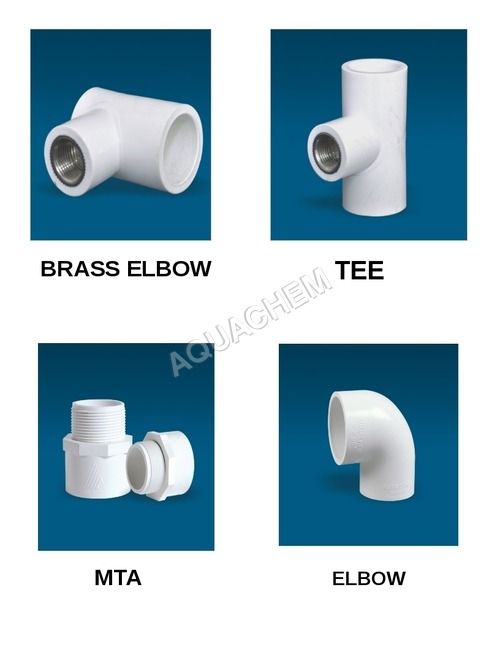
UPVC Fittings
Price 1000 INR / Piece
Minimum Order Quantity : 100 Pieces
Product Type : Other, UPVC Fittings
Shape : Other, Elbow, Tee
Type : Other, Tee, Brass Elbow, MTA, Elbow
Standard : Other, IS standards compliant
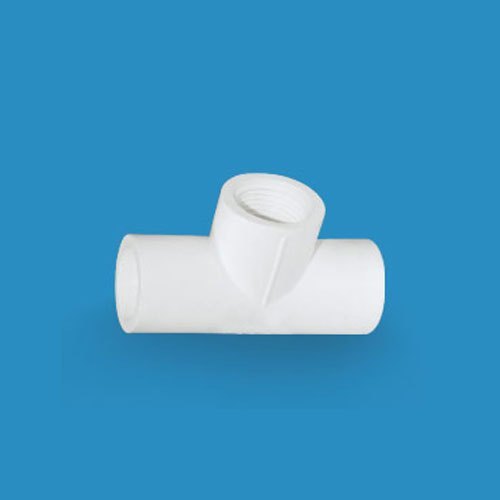
UPVC Thread Tee
Price 20 INR / Piece
Minimum Order Quantity : 500 Pieces
Product Type : Other, Pipe Fitting
Shape : Other, T Shape
Type : Other, UPVC Thread Tee
Standard : Other, ASTM D1785
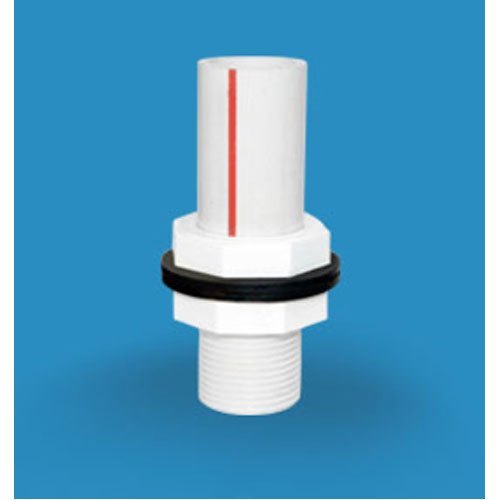
UPVC Pipe Tank Nipple
Price 32 INR / Piece
Minimum Order Quantity : 500 Pieces
Product Type : Other
Shape : Other, Cylindrical
Type : Other, UPVC
Standard : ASTM


- Mr Nilesh M Jivani (Director)
- Mobile :08037735893

- 60, Gujarat Vepari Mahamandal, S.P. Ring Road, Odhav,Ahmedabad - 382415, Gujarat, India
- Send Inquiry

 Send Inquiry
- UPVC Pipe Fitting
- UPVC Pipes
- UPVC Ball Valve
- Pipe Elbow
- UPVC Reducer Fitting
- UPVC Tee
- UPVC Pipe Coupler
- UPVC Heavy Duty Adhesive
- Solvent Cement
- UPVC Pipe for Drainage
- Reducing Brass Elbow for Construction Industry
- UPVC Nipple for Tanks
- UPVC Fittings
- UPVC Solid Ball Valves
- CPVC Pipe Fittings
- UPVC Taps and Sanitary Ware
- CPVC Taps and Sanitary Ware
- PVC VALVE
- CPVC VALVE
- PVC Pipe
- SWR Pipes
- pvc pipe fitting
 Send Inquiry
 Send SMS
 Call Me Free

Developed and Managed by Infocom Network Private Limited.


