 Send Inquiry
 Send SMS
 Send Inquiry
UPVC Elbow
Price 9 INR/ Piece
UPVC Elbow Specification
- Tolerance
- ±0.2 mm
- End Protector
- Plain
- Product Type
- Pipe Elbow Fitting
- Type
- UPVC Elbow
- Shape
- Elbow (90 Degree)
- Connection
- Socket / Solvent Weld
- Standard
- ASTM D 2467 / IS 13592
- Diameter
- 15 mm to 110 mm
- Thickness
- Sch 40 / Sch 80
- Length
- Standard as per fitting size
- Color
- White
- Temperature Range
- 0C to 60C
- Chemical Resistance
- Excellent
- Pressure Rating
- PN 10 / PN 16
- Usage
- Cold water applications
- Surface Finish
- Smooth, glossy
- Material
- Unplasticized Polyvinyl Chloride (UPVC)
UPVC Elbow Trade Information
- Minimum Order Quantity
- 10000 Pieces
- Supply Ability
- 1000 Pieces Per Month
- Delivery Time
- 7 Days
UPVC Elbow About
We prudently offer a wide assortment of UPVC Elbow varying in size, thickness, connection ends and diameter (1/2" to 2") to match with the industrial requirements. Being a renowned manufacturer and supplier, we offer this elbow after testifying on various quality parameters under the supervision of our adroit quality controllers. We manufacture this assortment as per the ASTM D-2467(SCH-80) quality norms by making use of UPVC material and latest tools. UPVC Elbow is widely used in industrial pipe & fitting applications for connecting two pipelines in order to change the material flow direction.
Features:
-
Optimum strength
-
Leak resistant structure
-
Easy to install & dismantle
Specification
| Size | 1 inch |
| Elbow Bend Angle | 90 Degree |
| Brand | Aquachem |
| Color | White |
| Material | UPVC |
| Diameter | 1/4 to 3 inch |
| CODE | SIZE (MM) | SIZE (INCH) | SMALL PKG. | STD. PKG. |
| 211 | 15 | 60 x 6 | 360 | |
| 212 | 20 | 40 x 6 | 240 | |
| 213 | 25 | 1 | 25 x 5 | 125 |
| 214 | 32 | 1 | 18 x 4 | 72 |
| 215 | 40 | 1 | 12 x 4 | 48 |
| 216 | 50 | 2 | 32 x 1 | 32 |
Robust Performance for Cold Water Systems
UPVC Elbows ensure excellent chemical resistance, making them suitable for diverse applications including plumbing, irrigation, and industrial pipeline systems. Their smooth, glossy surface reduces friction and helps prevent build-up, giving a long-lasting, efficient performance even at pressures up to PN 16.
Built to Industry Standards
Manufactured to ASTM D 2467 and IS 13592 standards, these UPVC elbows guarantee uniformity, dimensional precision, and safety for your piping needs. Available in various diameters and wall thicknesses, they offer design flexibility for both residential and industrial users.
FAQs of UPVC Elbow:
Q: How is a UPVC Elbow installed in a pipeline system?
A: A UPVC Elbow is typically installed using a socket or solvent weld connection process. Pipes are inserted into the elbows plain ends, then joined securely using a UPVC-compatible solvent cement, ensuring a leak-tight and robust joint.Q: What are the primary benefits of using a UPVC Elbow in water supply systems?
A: UPVC Elbows provide excellent chemical resistance, a smooth interior surface for efficient flow, durability even under varying pressures up to PN 16, and a maintenance-free lifespan. Their reliable performance makes them ideal for plumbing, irrigation, and industrial water distribution.Q: When should I choose a UPVC Elbow over other piping materials?
A: Choose UPVC Elbows when you need a non-corrosive, lightweight solution for cold water applications (0C to 60C), especially where chemical exposure is likely or when compliance with ASTM D 2467 or IS 13592 is required.Q: What is the standard temperature range for this product?
A: The UPVC Elbow is designed for use in cold water applications, with an optimal temperature range from 0C to 60C, ensuring material stability and longevity within this operating range.Q: Where can UPVC Elbows be used effectively?
A: They are ideal for plumbing in residential and commercial buildings, irrigation setups, water supply networks, and industrial pipeline systems where cold water transportation and chemical resistance are essential.Q: What is the process to ensure a secure connection using solvent weld?
A: First, clean both the pipe and elbow ends, then apply UPVC solvent cement. Insert the pipe fully into the socket and hold briefly until set. The solvent weld process creates a strong, seamless joint that resists leakage and corrosion.Q: What diameters and thickness options are available for UPVC Elbows?
A: UPVC Elbows come in standard diameters ranging from 15 mm to 110 mm and are available in Sch 40 or Sch 80 thicknesses, accommodating a range of flow and pressure requirements for various piping systems.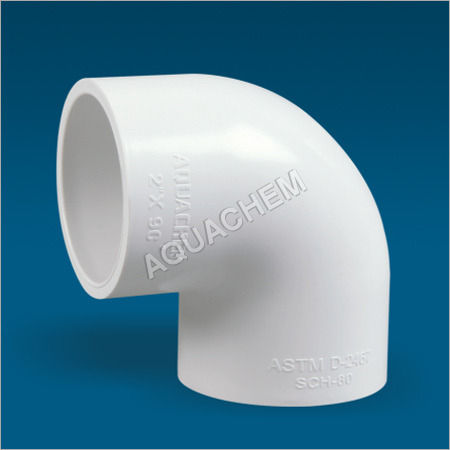

Price:
- 50
- 100
- 200
- 250
- 500
- 1000+

More Products in UPVC Fittings Category
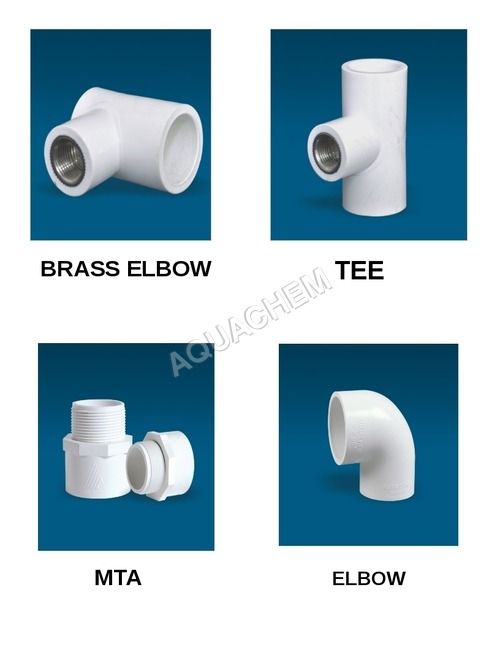
UPVC Fittings
Price 1000 INR / Piece
Minimum Order Quantity : 100 Pieces
Color : White
Product Type : Other, UPVC Fittings
Type : Other, Tee, Brass Elbow, MTA, Elbow
Standard : Other, IS standards compliant
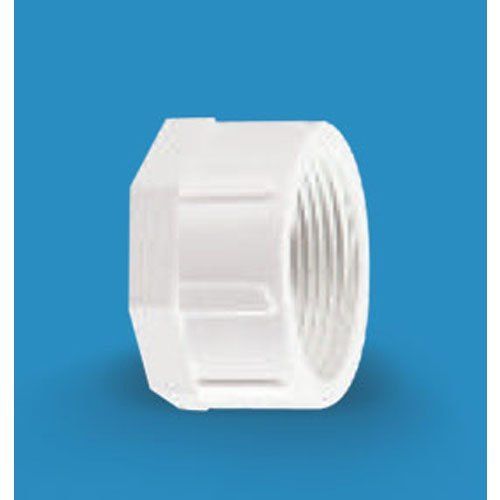
UPVC Thread End Cap
Price 7 INR / Piece
Minimum Order Quantity : 500 Pieces
Color : White
Product Type : Other, End Cap
Standard : Other, ASTM D2467
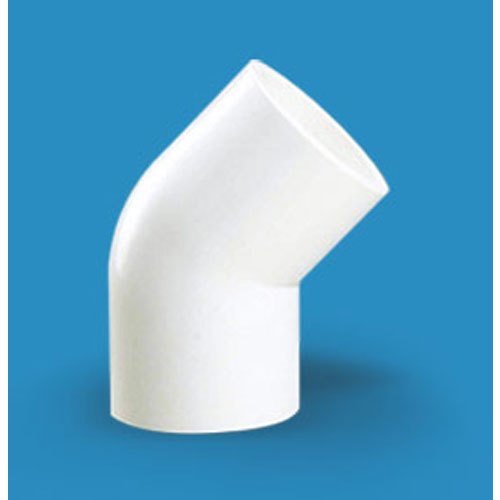
UPVC 45 Degree Elbow
Price 12 INR / Piece
Minimum Order Quantity : 500 Pieces
Color : White
Product Type : Other
Type : Other, Elbow
Standard : Other, ISO/DIN Standards
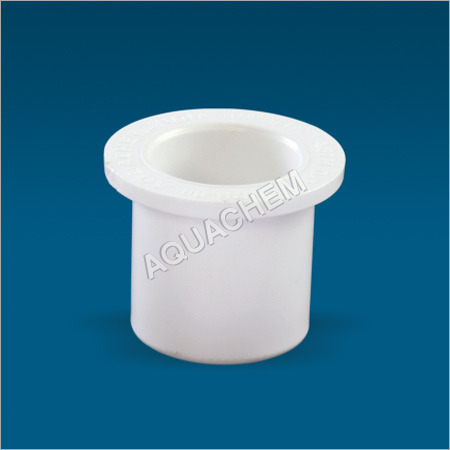
UPVC Reducer Bush
Price 5 INR / Piece
Minimum Order Quantity : 1000 Pieces
Color : Grey
Product Type : Other, Reducer Bush
Type : Other, UPVC Fitting
Standard : Other, ASTM D2467 / SCH 80


- Mr Nilesh M Jivani (Director)
- Mobile :08037735893

- 60, Gujarat Vepari Mahamandal, S.P. Ring Road, Odhav,Ahmedabad - 382415, Gujarat, India
- Send Inquiry

 Send Inquiry
- UPVC Pipe Fitting
- UPVC Pipes
- UPVC Ball Valve
- Pipe Elbow
- UPVC Reducer Fitting
- UPVC Tee
- UPVC Pipe Coupler
- UPVC Heavy Duty Adhesive
- Solvent Cement
- UPVC Pipe for Drainage
- Reducing Brass Elbow for Construction Industry
- UPVC Nipple for Tanks
- UPVC Fittings
- UPVC Solid Ball Valves
- CPVC Pipe Fittings
- UPVC Taps and Sanitary Ware
- CPVC Taps and Sanitary Ware
- PVC VALVE
- CPVC VALVE
- PVC Pipe
- SWR Pipes
- pvc pipe fitting
 Send Inquiry
 Send SMS

Developed and Managed by Infocom Network Private Limited.


